Scary Encounter with a Charlie Ant on My Bed (And How to Keep Them Away)
Spotted a Charlie ant on your bed? Read this real experience from Penang and learn why they’re increasing and how to keep them away effectively.
HEALTH & WELLNESSHOME
4/28/20263 min read
It was supposed to be a normal night. Lights off, phone down, ready to sleep.
Then I felt it—something crawling slowly across my arm.
Half-awake, I instinctively brushed it away, but something didn’t feel right. I turned on the lights… and froze.
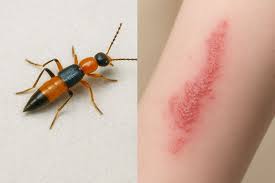
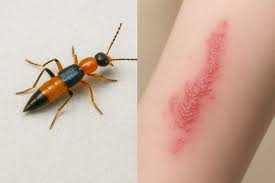
There it was. A slender black-and-orange insect crawling across my bed—the infamous Charlie ant.
Sleep was no longer an option.
If you’ve lived in Malaysia long enough, you’ve probably heard of it. Despite the name, it’s not actually an ant but a type of rove beetle. And unlike most insects we deal with at home, this one doesn’t need to bite or sting to cause damage. The danger comes when it’s crushed against your skin, releasing a toxin called pederin that can leave behind painful burns and blisters lasting for days.
That was exactly what almost happened to me.
Instead of panicking and swatting it, I forced myself to slow down. I grabbed a piece of tissue, carefully picked it up, and disposed of it without making direct contact. It sounds simple, but in that moment, it probably saved me from a very painful aftermath.
Still, the damage was done—mentally. I kept checking my bed, my pillows, even the walls around me. Every slight itch felt suspicious. Sleep came eventually, but not without a lingering sense of unease.
What made it worse is realizing that sightings like this are becoming more common, especially around Penang. And it’s not just bad luck.
Charlie ants thrive in moist environments like grass, drains, and agricultural areas. When heavy rain hits, their natural habitats get flooded, forcing them to move elsewhere—often straight into our homes. Add to that ongoing construction and land clearing, and you’ve got a perfect recipe for displacement. They lose their habitat, and we unintentionally become their next stop.
Then there’s lighting. These beetles are highly attracted to bright white lights, which explains why they tend to appear at night. A well-lit bedroom with open windows is basically an open invitation. Combine that with warm, humid weather—ideal breeding conditions—and you start to see why their numbers can suddenly spike.
After that encounter, I made a few changes immediately. Nothing drastic, but enough to reduce the risk.
Switching to warmer lighting helped make my room less attractive to insects. I became more mindful about closing windows earlier in the evening, especially when the lights are on. I also started checking my bed before sleeping—a quick shake of the pillows and blanket that now feels absolutely necessary.
One of the most effective changes, though, is something many people overlook: installing window mesh. It’s a simple, renter-friendly barrier that makes a huge difference in preventing insects from entering in the first place—much cheaper than installing full window grilles. If you’re looking for an easy setup, you can check out this option here: https://s.lazada.com.my/s.Z09HMy
I also started using a light insect repellent spray around window areas, curtains, and corners of the room. It helps reduce the chances of them lingering indoors, especially during peak periods. If you want something convenient to try, here’s an option: https://s.lazada.com.my/s.Z09HEj
Another small adjustment that helps is keeping the bed slightly away from the wall. These beetles often crawl down from walls or ceilings, and that little gap reduces the chances of them ending up where you sleep.
If you ever come into contact with one, the most important thing is to act quickly. Wash the affected area immediately with soap and water, avoid spreading the toxin, and apply a soothing cream if irritation starts. The key is not to ignore it—early action can significantly reduce the severity.
Looking back, it only took one encounter to change my habits.
Charlie ants may look harmless at first glance, but the discomfort they cause is very real. And if you’ve been noticing more of them lately, there’s a reason—it’s a mix of weather, environment, and human activity all coming together.
A few simple precautions can make all the difference. Because once you’ve seen one on your bed, you’ll understand—it’s not something you want to experience twice.